
Seeds of Knowledge: Preserving the Batwa’s Indigenous Knowledge of Local Foods for Future Generations
Seeds of Knowledge: Preserving the Batwa’s Indigenous Knowledge of Local Foods for Future Generations By John M. Kanyamurwa, Florence M.
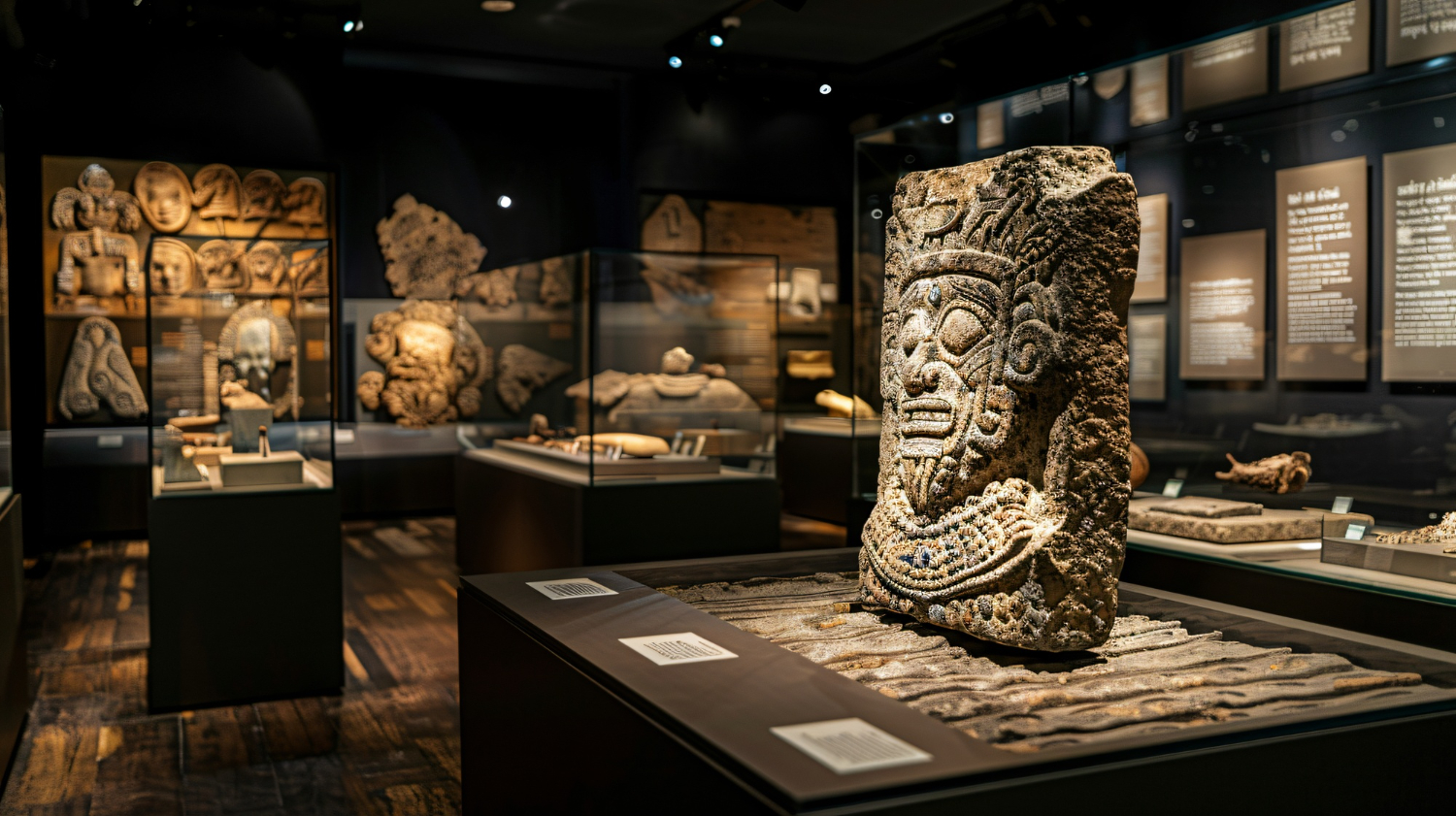
The traditions of our indigenous communities are at great risk of being forgotten in a fast-paced world highly dominated by new technologies and digital experiences. A recent visit to the National Museum of Unity, Ibadan, roused within me a mixed feeling of pleasure and pain. Having my many questions answered with such fine details got me ecstatic about my new understanding of the indigenous people, histories, cultures and traditions of southwestern Nigeria as well as those from selected ethnic groups in other parts of Nigeria; but there was the disappointment at the scant patronage and seeming lack of interest in the very significant indigenous artifacts on display.
Museum visits in 21st century Nigeria seem to not be a delightful pastime, at least not where there are multiple games arcades, shopping malls and the ubiquitous internet-enabled access to social media. Even watching movies like House of Ga’a or Amina seems more intellectually entertaining, even without a clue of the historical provenance of the cultural artifacts or storyline grounding the film. Entertainment is enough! But how many people, especially young adults today, can boast of the basic capacity to narrate the cultural histories and/or identify indigenous objects peculiar to their places of origins or immediate communities? For most children and youths in Nigeria, weekends, holidays or even some after-school hours spent in the vibrant chaos of video games or at the cinemas watching the latest blockbuster film appears to be far more appealing than a quiet afternoon in a museum. Yet, these institutions serve as vital epistemic gateways, offering invaluable opportunities for young minds to explore and understand their indigenous knowledge. But who are we to blame for this epistemological gap?
Following the reintroduction of History in primary and secondary schools’ curriculum in recent years, what are the structures put in place to ensure that learning is fun and engaging, beyond the textbooks? Museums, for example, are places to combine education and entertainment. As school pupils and students observe artifacts and exhibitions, they can ask questions and ponder more about what they have seen or interacted with; and this is an exercise capable of fostering critical thinking in them as individuals and as a collective. Also, while the English language remains compulsory in determining the academic progress of the average pupil or student, no indigenous languages are. Thus, the combination of governmental cluelessness about the significance of indigenous knowledge and the technological definition of the knowledge society articulates a dangerous disinterestedness in the epistemological utility of historical and indigenous knowledges.
Postcolonial museums, like the National Museum of Unity, as well as the Odu’a Museum and Hall of Fame in Ibadan, have challenges too – like ossifying the knowledges about cultural artifacts, or parroting just one narrative on some of the symbols as if that is the only narrative available. Or not properly indexing the diacritics on Yoruba words and concepts (for example at the National Museum of Unity, “Ṣìgìdì” should not be rendered as “Shigidi”). Or worse still, not having sufficient collaborative engagements to keep refreshing the displays with loans and purchases that could bring audiences and deepen the epistemological interests in indigenous knowledges and symbolic discourses and ideologies.
These are possible reasons for the dismal attendance at local museums and cultural conservatories. For instance, it was obvious that the crowd pull witnessed most recently at the National Museum of Unity was due to the pottery-making workshop with Akin Potter, facilitated by the French Institute of Research in Africa (IFRA); which recorded attendance by school students having interactive and immersive learning experiences. The workshop featured hands-on exhibits where all participants not only explored the museum (especially the pottery section), but also had access to clay and pottery equipment, using the different methods taught to mold various objects original to them. Apart from such external initiatives, local museums need to have a revolving plan to attract audiences who must be kept coming in curated anticipation. Maybe the audiences who prefer the game arcades and epic films desire a different dynamic for showcasing their indigenous histories to be able to find it worthy of attention.
Perhaps, an entrepreneurial approach could significantly improve the role and importance of museums in the consciousness of the populace. One effective strategy would be for museums to adopt an intentional approach in curating their narratives and engaging with the online community. Using such modern technologies like the internet and social media (Instagram, X, Facebook, WhatsApp, Threads, TikTok, YouTube, etc.), where most people across the age spectrum primarily consume and disseminate information, could be a self-marketing strategy for museums; while young people can be incorporated into the museum’s operations – whether through internships, paid positions, or volunteer programs. Recruiting young people to serve as ambassadors for the museum can also further enhance its outreach, because these young marketers (or influencers, as they are now called) can leverage their familiarity with social media and modern communication skills to craft engaging content that resonates with their peers. The interests of younger demographics who are accustomed to digital experiences can also be tapped into by incorporating virtual tours and interactive exhibitions in the museum’s activities. Mobile apps can also be developed to deliver complementary resources that pique people’s interest and encourage them to explore further and continue conversations long after the museum experience.
Considering that funding is a major hinderance to arts programming in Nigeria, museums can generate revenue by manufacturing and selling replicas of the artifacts they exhibit. This will partly reduce their reliance on government funding or patron donations and provide employment opportunities and international exposure to the expert local artisans who will be making these replicas, while also allowing visitors to take pieces of history home with them and showcase local craftsmanship on a global scale.
Another game-changer could be museum partnerships with organizers of major annual events like the Detty December – a period of celebration in Lagos featuring back-to-back parties, hangouts, and cultural festivals – which draws crowds from across the globe. In Ibadan, the National Museum of Unity could collaborate with big festivals like the Ibadan Cultural Festival, the Oke-Ibadan Festival, etc., to increase the museum’s visibility and attract diverse audiences. This partnership could involve hosting themed exhibitions or workshops that align with the spirit of the event, serving as a preamble to or a continuum of the festivals’ celebrations.
Moreover, museums can create more educational programs with practical dimensions, such as the recent pottery making workshop with Akin Potter, that integrate with more schools and diverse artisans and community organizations. Field trips to the museum at special discounted rates can also be offered as an essential part of the students’ education – which allows them to have firsthand experiences of history and art as peculiar to different cultures, and even science and the cultural use it could be adapted to. Such initiative will potentially increase museum patronage and provide employment opportunities for those involved in program facilitation and curation. This blend of culture and entrepreneurship presents a unique opportunity for museums to thrive as gateways to understanding indigenous knowledge and heritage, thereby ensuring that the knowledge and traditions of indigenous communities are preserved and celebrated for generations to come.
Seeds of Knowledge: Preserving the Batwa’s Indigenous Knowledge of Local Foods for Future Generations By John M. Kanyamurwa, Florence M.
The Africa Indigenous Knowledge Research Network was created to undertake research geared towards identifying, re-centering and harnessing Indigenous knowledge in Africa.
©2026 copyright africaindigenousresearch.com