
Seeds of Knowledge: Preserving the Batwa’s Indigenous Knowledge of Local Foods for Future Generations
Seeds of Knowledge: Preserving the Batwa’s Indigenous Knowledge of Local Foods for Future Generations By John M. Kanyamurwa, Florence M.
1 From Cultural Heritage to Economic Empowerment
In the misty highlands of southwestern Uganda, particularly within the Batwa settlements of Birara in Kisoro District and Kinyarushengye in Rubanda District, a quiet revolution is unfolding, one that reclaims Indigenous knowledge as tools for economic empowerment and cultural revival. Historically marginalized by conservation policies that severed their ancestral ties to land and livelihoods, Batwa communities have faced systemic exclusion and economic hardship. However, Batwa girls are now reimagining ancestral knowledge not as static heritage but as vibrant capital, transforming herbal medicine, agroecological farming, artisanal crafts, honey products, and culinary traditions into proud businesses. These efforts go beyond mere survival; they represent a conscious redefinition of identity, independence, and intergenerational continuity.
Led by the Africa Indigenous Knowledge Research Network (AIKRN) and supported by the Mastercard Foundation, this initiative highlights Indigenous Knowledge Systems (IKS) as sustainable and regenerative alternatives to extractive capitalist models. The cosmologies of reciprocity, ecological stewardship, and communal well-being support grassroots entrepreneurial efforts. In this context, Batwa girls’ enterprises serve as a practice of resistance and renewal. This blog synthesizes insights from field stories and data into five interconnected themes, each illustrating how dignity, success, knowledge, and entrepreneurship converge to empower Batwa girls and transform the development landscape.
2 Reclaiming Dignity: What Signifies Dignified and Fulfilling Work for Indigenous African Youth?
For Batwa girls, the meaning of dignified work goes beyond just getting paid; it’s a sacred embrace of self-determination, cultural loyalty, and community support. In the lush regions of Birara and Kinyarushengye, young women view work as a moral and spiritual calling that must “honor our traditions, serve our people, and liberate us from dependency.” Roles traditionally held symbolic and economic importance, like herbal healing and oral storytelling, are being revalued as entrepreneurial pathways that affirm identity while generating income. These jobs are more than just economic activities; they are affirmations of existence in a world that has long overlooked Indigenous youth. As one herbalist powerfully said, “My medicine heals bodies and spirits, it is my inheritance and my future,” showing how ancestral knowledge becomes a way to gain dignity and social respect. This perspective aligns with African Indigenous philosophies where labor is connected to purpose, relationships, and cosmology. The revival of Batwa farming practices based on seed sovereignty and ecological wisdom further highlights this respectful approach to work, as girls grow strong crops that nourish both body and spirit. Likewise, beadwork and crafts are not only for beauty but also serve as memory tools, each piece a tangible record of ancestral history and cultural pride.
Success, as envisioned by Batwa girls, is a multidimensional concept that emphasizes cultural integrity, relational responsibility, and personal fulfillment over material wealth. Unlike Western ideas of achievement, these girls see success as the ability to care for family, pass on knowledge, and reclaim agency while maintaining their Indigenous identity. “If I can feed my siblings, teach my craft, and be respected, I am successful,” one participant said, viewing effectiveness through a lens of communal care and spiritual harmony. Success is often judged by ancestral approval and the preservation of cultural practices, with girls describing their work as being “watched by the spirits” and “guided by the ancestors.” These spiritual elements highlight a worldview where achievement is relational, cyclical, and rooted in cosmological ethics. Education is also redefined as a community-centered approach to knowledge, where girls serve as protectors and transmitters of Indigenous knowledge through informal learning practices. “This is our university,” one peer educator said, framing learning within everyday life and intergenerational guidance. When market success occurs, it is celebrated not just for profit but also for its role in cultural preservation, where each sale is a conversation and each product a bearer of meaning. In this way, success weaves a fabric of resilience, reciprocity, and reverence.
3 Stimulated by Wisdom: How Indigenous Knowledge Transforms Marginal Communities
The strategic mobilization of Indigenous knowledge by Batwa girls is not just an act of survival; it is a powerful redefinition of marginality into agency and exclusion into innovation. By transforming Indigenous Knowledge Systems (IKS) into small businesses, these girls are not only asserting their economic presence but also reclaiming epistemic legitimacy within Uganda’s development discourse. Herbalists, for example, are synthesizing ancestral remedies into marketable products that connect traditional healing with modern wellness, positioning themselves as guardians of both health and heritage. Culinary artisans are revitalizing Indigenous foodways, such as millet porridge and native greens, not as nostalgic relics but as nutritional solutions and cultural lessons. “We don’t just feed people, we teach them,” one girl remarked, emphasizing how food becomes a tool for education and empowerment. The commercialization of Indigenous knowledge, when ethically managed and community-owned, can become a means to invest across generations and build socio-economic resilience. Craft groups also serve as centers of cultural storytelling and economic cooperation, each stitch or wood carving representing survival, each motif a declaration of presence. In this context, Indigenous knowledge is not just an aside; it is central to redefining development, restoring dignity, and shaping futures rooted in justice and cultural continuity.
The empowerment of Batwa girls through Indigenous knowledge is not just a minor effort; it represents a fundamental shift that redefines development from the margins. Dignified work, culturally rooted success, and the transformative power of IKS are not isolated factors; they are interconnected pillars of a comprehensive framework focused on justice-driven entrepreneurship. By reclaiming ancestral wisdom as economic capital, Batwa girls are not only resisting erasure but actively shaping futures that honor their identity, support their communities, and challenge prevailing paradigms. Their enterprises are more than just businesses; they embody epistemic sovereignty, ecological stewardship, and spiritual harmony. By integrating Indigenous knowledge into opportunities, these girls are creating a new language of empowerment, one rooted in resilience, reciprocity, and reverence. The global development community must listen, learn, and align with these voices, as they carry the wisdom of generations and the potential for transformation. Ultimately, the story of Batwa girls is not just about economic inclusion; it is about reweaving the fabric of dignity, one thread of knowledge at a time.
4 Multidimensional Empowerment
To shape a future where Batwa girls not only survive but also thrive, interventions must go beyond narrow economic models and adopt a pluriversal mindset that emphasizes cultural sovereignty, epistemic justice, and institutional legitimacy. While economic tools are necessary, they are not sufficient unless integrated into frameworks that respect Indigenous cosmologies and relational worldviews. Land access, especially to communal and ancestral territories, should be redefined not just as a resource for productivity but as a site of spiritual continuity and ecological guardianship. When decolonized and democratized, local markets can serve as spaces for cultural revival and the transmission of knowledge across generations. Capacity-building should reverse the traditional top-down approach, prioritizing dialogic learning and co-creation with Indigenous knowledge holders as authentic authorities. As one Batwa girl powerfully said, “Train us in how to package and sell what we already know,” highlighting the need to value indigenous expertise instead of replacing it with outside solutions. This humility about knowledge is essential for any genuine empowerment effort.
In the digital age, connectivity is more than just a technological advantage; it is a gateway to knowledge, markets, and storytelling. Mobile platforms, when distributed fairly and tailored to cultural contexts, can serve as digital repositories for Indigenous knowledge and entrepreneurship. For Batwa girls, access to internet-enabled devices means reclaiming their voice in a global marketplace that often overlooks them. As one youth innovator said, “If I had a phone with internet, I could show my products on Facebook or WhatsApp,” highlighting how digital tools can promote social and economic growth. Addressing the digital divide is therefore a matter of justice, requiring investment in infrastructure and supportive policies. Digital inclusion should also involve programs that teach digital skills in ways that respect language and culture, ensuring technology supports rather than diminishes Indigenous identity. In this way, digital access becomes a form of knowledge infrastructure, empowering Batwa girls to share their stories, shape their futures, and lead on their own terms.
5 Intellectual Property and Cultural Sovereignty
The commodification of Indigenous knowledge without consent or compensation constitutes a form of epistemic extraction that perpetuates historical injustices. Legal recognition of Indigenous intellectual property must therefore be reimagined through a lens of cultural sovereignty and reparative justice. Batwa girls, as custodians of medicinal knowledge, artisanal craftsmanship, and ecological wisdom, face systemic vulnerabilities when their innovations are appropriated and monetized by external actors. As one elder lamented, “They take our plants, copy our crafts, and sell them abroad,” a testimony that reveals the asymmetries of power and profit in global value chains. Policy reform must move beyond symbolic inclusion to enact binding protections that recognize collective ownership, intergenerational rights, and customary law. Such reforms should be informed by international instruments, such as the Nagoya Protocol and the UN Declaration on the Rights of Indigenous Peoples, while remaining grounded in local realities. Without these safeguards, the cultural assets of Batwa girls risk becoming mere commodities, stripped of their sacredness and severed from their communities.
Reframing Indigenous girls as co-creators instead of passive recipients of aid challenges the colonial language of development and replaces it with a vocabulary of agency, dignity, and future-orientation. Their stories, products, and aspirations are not extras to Uganda’s development story; they are its core knowledge. Batwa girls demonstrate resistance and renewal, blending ancestral wisdom with modern innovation to forge pathways that break from traditional linear models of progress. As one youth said, “We are not waiting to be saved,” a powerful statement that reaffirms their control over social and economic futures. This shift prompts institutions to adjust their engagement strategies, making Indigenous girls strategic partners instead of just symbolic figures. It also calls for a reevaluation of what defines expertise, recognizing lived experience and cultural knowledge as valid foundations for policy and business decisions. In this new vision, Batwa girls are not just surviving; they are creating new possibilities and ways of understanding.
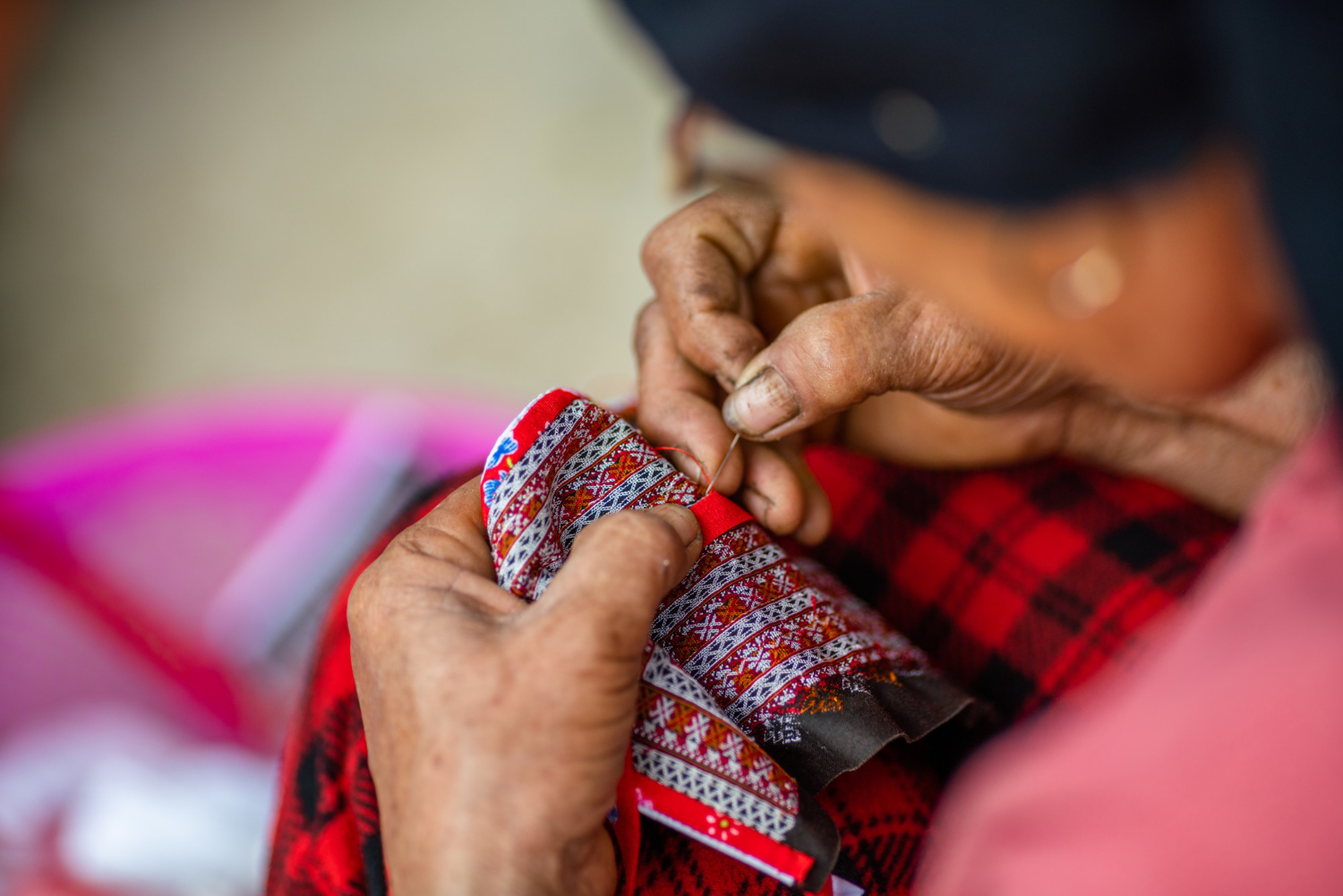
The lived experiences of Batwa girls in Kisoro and Rubanda districts reveal a powerful truth: when combined with opportunity and agency, indigenous knowledge can drive social and economic change. Their involvement in crafts, healing, agroecology, and cultural production is not just a nostalgic revival of tradition but a proactive practice of respectful work and epistemic assertion. These girls are not passive custodians of culture; they are active architects of futures that integrate identity, economy, and ecology. For national institutions and global partners, the priority is to shift from extractive models to relational approaches that honor Indigenous girls as thinkers, innovators, and leaders. As AIKRN continues its efforts, it must amplify these voices, expand these insights, and embed this knowledge into institutions. The hands of Batwa girls do more than weave crafts; they weave worlds of meaning, resilience, and renewal. In their knowledge lies not only survival but also the blueprint for a more just and inclusive Uganda.
6 Conclusion
The journey of Batwa girls from cultural marginalization to entrepreneurial empowerment challenges dominant development paradigms and underscores the importance of Indigenous knowledge as a catalyst for transformation. Their work, rooted in ancestral wisdom and spiritual awareness, redefines success, labor, and leadership through culturally grounded perspectives that honor both heritage and innovation. These stories are not anomalies; they serve as models for a decolonized development agenda centered on dignity, reciprocity, and relational justice. To truly advance this movement, national policies and global development actors must shift from extractive approaches to collaborative, respectful partnerships that recognize Indigenous girls as co-creators of knowledge and agents of change. Inclusion should be redefined, not as mere access to existing systems, but as the right to influence those systems through lived experience and cultural sovereignty. Investing in digital infrastructure, intellectual property protection, and community-led capacity building is not optional; it is an ethical necessity for sustainable change. The resilience and creativity of Batwa girls point to a future where Indigenous knowledge is not merely preserved as a relic but lived as an act of resistance, resilience, and renewal. Through their voices, crafts, and enterprises, they sow the seeds of a more just, inclusive, and pluriversal development landscape, one where Uganda’s most historically marginalized communities become its most visionary leaders.
Seeds of Knowledge: Preserving the Batwa’s Indigenous Knowledge of Local Foods for Future Generations By John M. Kanyamurwa, Florence M.
The Africa Indigenous Knowledge Research Network was created to undertake research geared towards identifying, re-centering and harnessing Indigenous knowledge in Africa.
©2026 copyright africaindigenousresearch.com