
THE ÀDÌRẸ INDUSTRY: CRAFTING INDIGENOUS CULTURE INTO ENTREPRENEURSHIP
By Blessing Tomoloju
IBADAN RESEARCH WORKING GROUP, UNIVERSITY OF IBADAN
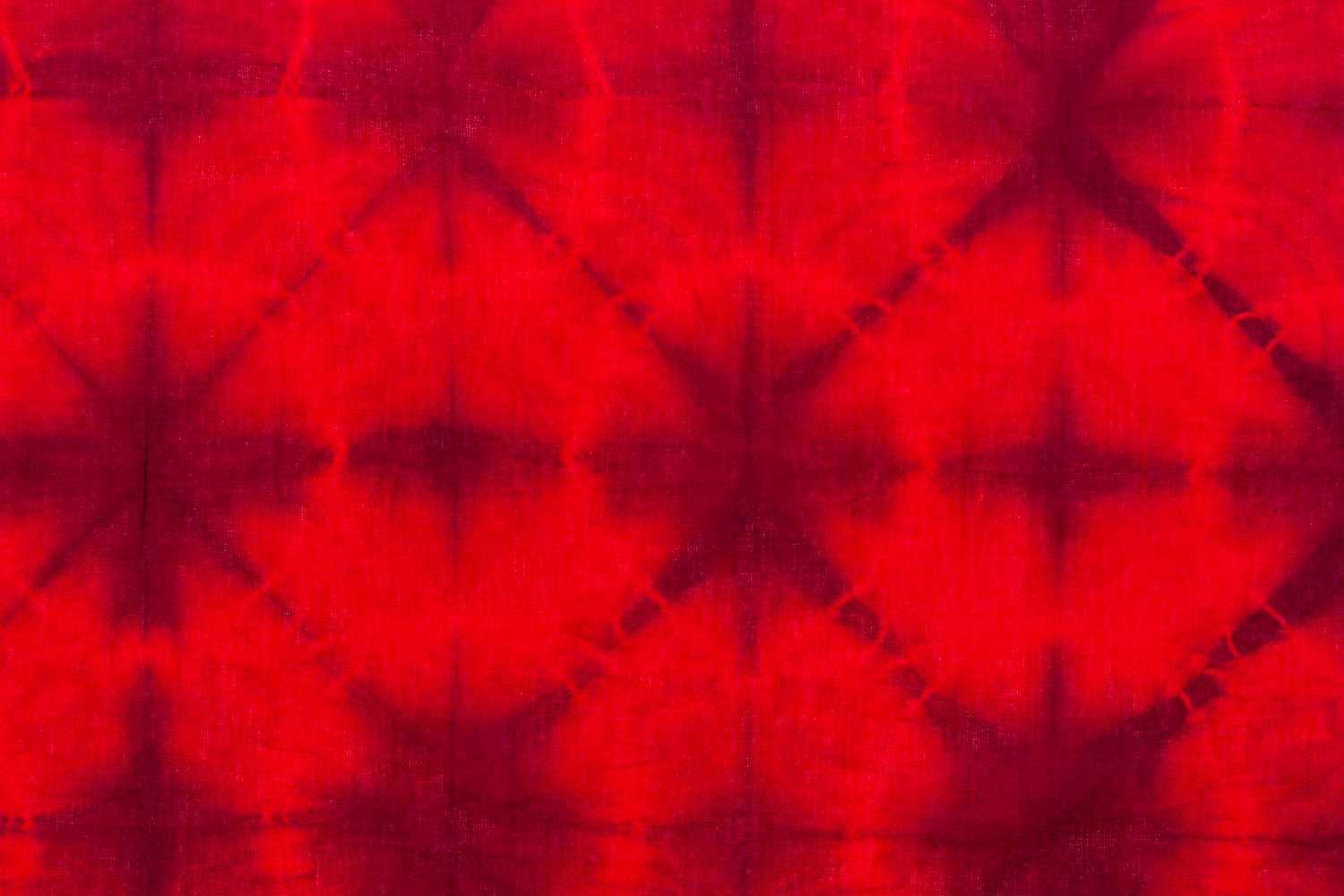
Abẹ́òkúta is an ancient city located in the southwestern part of Nigeria. And it is famous for its deep heritage in Àdìrẹ. Little wonder, when one walks through Itoku, Asero, Ijeja, Kemta communities of Abẹ́òkúta, the rhythmic sound of dye pots bubbling and fabrics being beaten into brilliance echoes a timeless legacy. This is the sound of Àdìrẹ, the indigo-dyed textile craft that has flourished for centuries among the Yorùbá people of southwestern Nigeria. Àdìrẹ is more than fabric, it is cultural language, that is, a visual narrative of history, identity, and artistry that embodies the creativity of an entire culture
Àdìrẹ, is a combination of two Yoruba words: “àdì” (to tie) and “rẹ” (to dye). And yet, Àdìrẹ is more than a fabric technology. It is a symbol of identity, an artistic expression, a cultural heritage that has been passed down from one generation to another. And beyond being an indigenous endeavor, it has entrepreneurial potentials. Àdìrẹ has been for many women a lifeline that has sustained their families for generations. And much more today, this Indigenous craft has also become a gateway to innovation, global recognition, and economic empowerment. Àdìrẹ production represents a notable example of how Indigenous knowledge systems contribute to entrepreneurship, cultural identity, and women’s empowerment in Africa.
Àdìrẹ began centuries ago among the Ẹ̀gbá women of Abẹ́òkúta, who through mastery in indigo dyeing process, used natural materials, such as raffia strings for tying, cassava paste for painting patterns, and dye extracted from the elu (indigo) plant, to create beautiful designs patterns on handwoven cotton. Designs and patterns weren’t created arbitrarily or randomly. They were symbolic of the culture of the people. For instance, some of the designs and patterns such as olókun symbolized wealth and depth, named after the goddess of the sea; elébùté represented prestige; Ìbàdándùn meant “Ibadan is sweet.” These patterns were a silent language, recording history and community stories on cloth. This is to show that Àdìrẹ is an indigenous endeavor based on the fact that it is rooted in the culture and tradition of the people.
Àdìrẹ is an indigenous endeavor that is deeply communal. Women, both young and old, are involved in it not only for the preservation of their culture but also as a means of survival and sustenance. This means that Àdìrẹ as an indigenous endeavor has entrepreneurial potentials. Even before the term “entrepreneurship” became fashionable, Àdìrẹ was an Indigenous business model that thrived on shared knowledge, cooperation, and trade, which are values central to African economic life. Beyond its beauty, Àdìrẹ has become a powerful economic engine. Across Nigeria, young entrepreneurs are breathing new life into the craft, blending traditional methods with modern business ideas. Fashion designers like Nike Davies-Okundaye championed Àdìrẹ on global stages, teaching women across Nigeria how to dye fabrics and create sustainable income. Historically, Àdìrẹ was not just about fabric; it was a medium through which communities told stories, expressed values, and sustained livelihoods. For many women, especially in Southwestern Nigeria, Àdìrẹ provided a source of income and independence, allowing them to contribute economically to their households and communities. It implies that Àdìrẹ production is not only a means of preserving cultural heritage, it is also a means of survival for many women in south West Nigeria.
In many Yoruba communities, Àdìrẹ remains a women-led enterprise. For countless families, it provides daily income and independence. Initially the knowledge of Àdìrẹ was passed from mothers to their daughters and daughters-in-law. However, young women are now learning the craft primarily through apprenticeship, workshops and vocational programs, turning inherited skills into thriving small businesses. Each fabric sold doesn’t just carry dye, it carries a story of empowerment and legacy.
The new generation of Àdìrẹ entrepreneurs is coming up with new designs and patterns. Instead of limiting designs to traditional indigo, they are trying out new designs while using environmentally friendly dyes. Some apply Àdìrẹ patterns to modern wear like sneakers, bags, or even laptop bags. This fusion of indigenous artistry and modern taste keeps the craft relevant and appealing to global audiences. In a world increasingly concerned about sustainability, Àdìrẹ offers a refreshing alternative. Its natural dyeing process and handmade nature make it an eco-friendly product. Conscious fashion brands are now collaborating with Nigerian artisans to promote slow fashion, celebrating craftsmanship and cultural preservation.
It is pertinent to note that Àdìrẹ provides a connection between indigenous knowledge and economic development. It is not just about economic development; beyond this, it keeps Yoruba culture alive. Each motif and pattern continues to tell stories passed down for generations. Wearing Àdìrẹ is not just fashion, it’s storytelling. It’s a reminder that even in a modern world, our Indigenous roots still matter. The future of Àdìrẹ rests in the hands of those who see beyond fabric, those who understand that what began in dye pits and village courtyards in Mama Mapo’s compound (the first woman to make Àdìrẹ) can now inspire the world. Young designers are blending creativity with entrepreneurship; communities are preserving culture while earning a living.
Definitely, the journey is not without challenges. Many artisans struggle with challenges of environmental factors, lack of modern tools, access to quality materials, modern equipment, and financing and declining interest among youths. The market is also flooded with machine-printed imitations from abroad, which undercut authentic handmade Àdìrẹ. Despite all these challenges lies opportunity. Àdìrẹ continues to thrive because of the commitment and resilience of women entrepreneurs. Their stories reflect not just survival but also innovation and adaptation in the face of adversity. The future of Àdìrẹ lies in embracing its cultural roots while expanding its economic potential. It is, therefore, not just fabric but a powerful symbol of Africa’s enduring heritage and entrepreneurial spirit. Àdìrẹ as an indigenous endeavor If properly supported, has the entrepreneurial potentials of becoming a model for how traditional crafts fuel sustainable development in Africa. It teaches us that Indigenous knowledge, when nurtured can become a catalyst for progress.